Empowering Survivors: Navigating Your Cancer Journey with Knowledge and Support
Cancer is a word that strikes fear into the hearts of many, yet understanding its complexities can empower those on the cancer journey. As survivors, delving into the intricacies of malignancy—whether it’s carcinoma, tumors, or neoplasms—can illuminate the path towards recovery. Each type of cancer presents its own set of challenges, but armed with knowledge, patients can navigate through treatment options, support networks, and lifestyle changes with resilience. What's more, with the continuous evolution of cancer research and health education, the power to advocate for oneself has never been greater. Are you ready to unravel these mysteries?
On this journey, knowing the landscape of cancer can ease uncertainties. Take the term 'malignancy'—a clinical word that can feel impersonal but is crucial for understanding the nature of your diagnosis. Oncology, the field of medicine dedicated to cancer treatment, gives an insight into how oncologists approach various types of cancers. For instance, understanding the different types of cancer treatments—whether that be chemotherapy, radiation therapy, or even newer options like immunotherapy—can transform the daunting experience of a cancer diagnosis into an informed battle plan. As award-winning writer and cancer survivor, Arden E. B. once said, "Knowledge is power, especially in these trying times." So, the more you know, the better equipped you will be to face your cancer journey head-on.
Statistics reveal that early detection significantly increases treatment success rates. Cultivating awareness about the signs and symptoms of cancer and engaging in regular health check-ups can be a lifesaver. Implementing small yet impactful lifestyle changes is another crucial aspect of cancer prevention and survivorship. Simple modifications—like improving your diet or incorporating regular exercise—can enhance your overall wellness and equip your body to endure the side effects of cancer treatments. Have you considered how your daily habits influence your health?
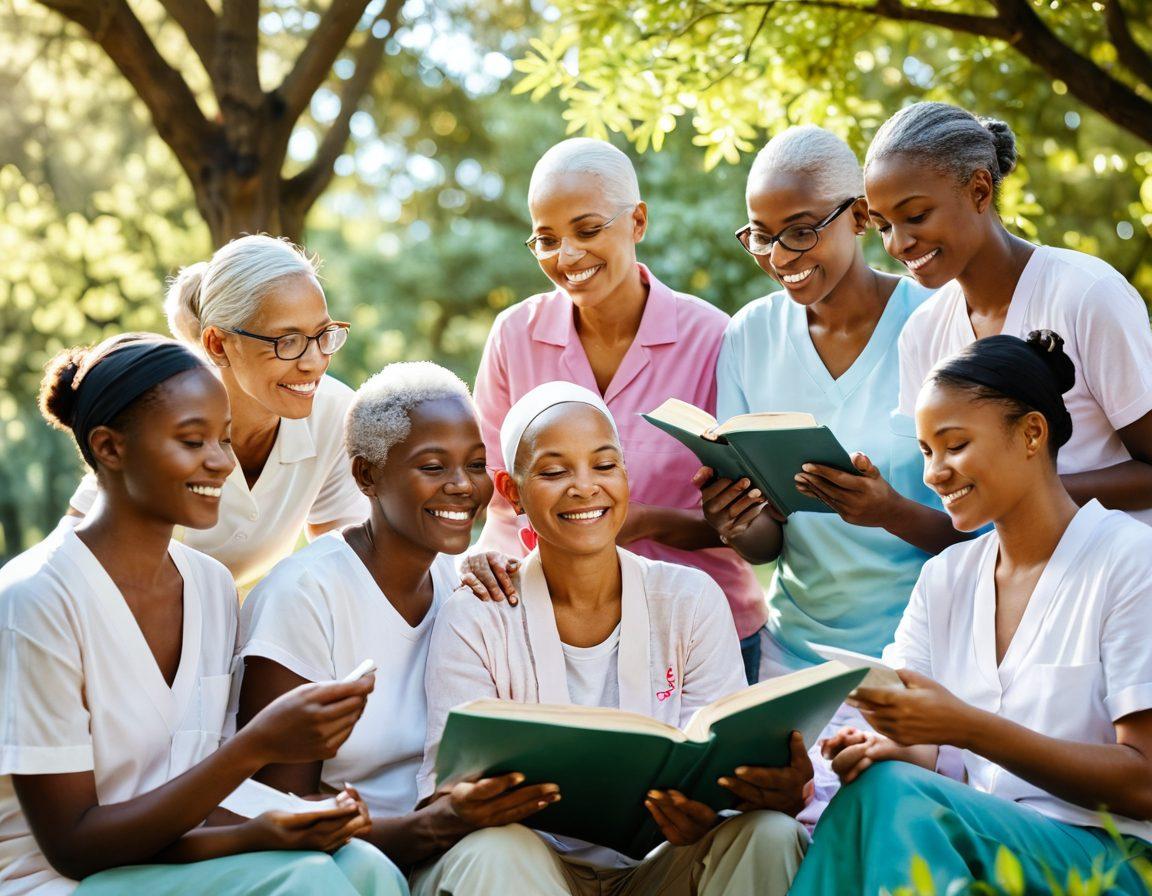
But let’s not overlook the emotional aspect of this journey. The role of community support cannot be overstated. Support groups—whether online or in person—provide an essential space for connection, understanding, and shared experiences. Together, survivors can share personal stories about their struggles and triumphs, exploring everything from navigating tumor markers to managing the side effects of treatments. With palliative care options and patient support systems available, it’s more important than ever to foster these connections. Have you found your support network yet?
At the core of cancer survivorship is the essential nature of patient advocacy—an empowered voice advocating for one's health care journey. As survivors educate themselves about their diagnosis and treatments, they can actively participate in discussions about clinical trials or new therapies. Being proactive in understanding cancer statistics and treatment advancements doesn’t just enhance one's personal knowledge, it significantly shapes the future of cancer treatment. So, as you reflect on these elements of your cancer journey, remember that every step you take empowers both yourself and those who follow in your footsteps. Isn't it incredible to think that knowledge can transform fear into action?
From Clinical Trials to Community Support: Your Roadmap to Wellness
Embarking on a cancer journey can feel like standing at the edge of an unfathomable abyss. Picture this: you visit your oncologist, and with a few words, your world flips upside down. Suddenly, complex terms like carcinoma, malignancy, and tumor become integral parts of your vocabulary. But within that chaos of uncertainty lies a vast landscape of support, knowledge, and community. Understanding your options is crucial—from clinical trials to patient support—these are the stepping stones that can empower you on your remarkable journey toward wellness.
When navigating your cancer treatment options, clinical trials might seem daunting. Yet, they are crucial for advancing cancer research and expanding treatment methods, including groundbreaking therapies like immunotherapy and personalized chemotherapy. Have you ever considered how these clinical trials could play a role in your cancer journey? They are not just cold statistics but a pathway to accessing novel treatments, supported by leading oncologists who aim to provide the best care tailored to your specific neoplasm.
As you delve deeper into your cancer journey, cancer awareness becomes an essential ally. Early detection significantly improves cancer statistics, affecting outcomes across various malignancies. This is a call to arm yourself with health education—from understanding tumor markers to recognizing the side effects of radiation therapy. Knowledge is empowerment, and when you’re equipped with the right insights, you can make more informed decisions about your lifestyle changes and treatment preferences, ultimately tailoring your cancer survivorship experience.
Support groups serve as an oasis of understanding and empathy on your journey. It’s a comfort to know that while you may feel isolated in your battle against cancer, there’s a community ready to uplift you. Have you joined any patient advocacy networks or community support initiatives? These resources provide not only emotional backing but also invaluable information on palliative care, coping strategies, and invaluable health resources. Together, we rise above adversity, transforming our individual struggles into collective strength.
Ultimately, your cancer journey is not solely defined by the disease itself; it's a tapestry woven with threads of resilience, knowledge, and compassion. Embrace the resources available—be it through innovative cancer treatment options, engaging in supportive communities, or simply educating yourself about prevention tactics. With every step taken in faith and determination, you carve a path toward wellness and an empowered life beyond cancer. Remember, this journey is yours, and every story is worth sharing, inspiring others to seek knowledge and community support in their own battles.
Championing Awareness: The Power of Education in Your Cancer Fight
When faced with a cancer diagnosis, the journey ahead can feel isolating and overwhelming. One minute, you're living your life the way you always have, and the next, you're plunged into the complex world of oncology, where terms like carcinoma, tumor, and malignancy dominate the conversation. How do you navigate this unfamiliar terrain? This is where championing awareness comes into play, transforming fear into empowerment through education. After all, knowledge is not just power; it’s a lifeline for cancer survivors, the key to understanding your options, and an important step toward effective cancer treatment.
Imagine walking into your oncologist's office with a list of questions in your hand. That’s the power of education and awareness! Engaging in your own care fosters a sense of control and reduces anxiety. By comprehending the nuances of your diagnosis—whether it involves understanding tumor markers or discerning which type of therapy is right for you, be it chemotherapy, radiation therapy, or immunotherapy—you become more capable in advocating for yourself. Remember, you are not just a patient; you are the hero of your own cancer journey.
Consider this: cancer statistics indicate that early detection can drastically improve survival rates. Did you know that many neoplasms are asymptomatic in their early stages? This reality underscores the importance of health education campaigns aimed at increasing awareness of screening procedures and the potential for early diagnosis. Such vital information can lead to lifestyle changes that not only reduce risk but also equip you with the tools to fight this disease head-on. In what ways can you integrate cancer prevention practices into your daily routine?
Furthermore, as you forge ahead, consider the wealth of health resources available to you. Support groups offer camaraderie and understanding from fellow survivors who share similar experiences, while patient advocacy organizations provide valuable insights into clinical trials. These trials are not only critical for advancing cancer research but also introduce innovative treatment options to patients. Weave these threads of community support into your recovery tapestry and realize that you are never alone in this journey.
In conclusion, empowering yourself through knowledge and education can significantly influence your cancer survivorship. It’s not merely about surviving; it’s about thriving. Utilize the wealth of information available—from health blogs dedicated to uncovering the latest in cancer research to forums sharing firsthand survivor stories. Each step you take toward education also becomes a step toward wellness and recovery. What will you choose to learn today to better equip yourself for tomorrow?